
 Gavin(らぶ♡ふぁみ公式ブロガー)
※この記事は、Gavinさんご本人が英語で執筆した内容を、日本語に翻訳して掲載しています。英語の原文は記事の最後に掲載しています。
こんにちは!Gavin(ギャビン)です。
「誰かを理解したいなら、その人の靴を履いて1マイル歩いてみなさい」ということわざがあります。
でも、それがランドセルを背負った6歳の子どもの靴だったら、どうでしょう。
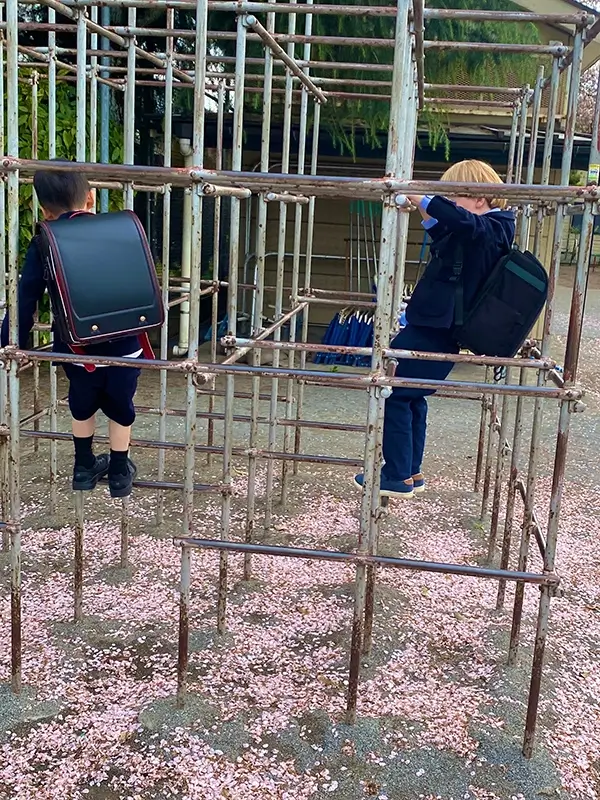
ほんの数か月前まで、息子の朝の日課は、ゆっくり朝ごはんを食べて、『Wakey Game』を見て、お母さんと一緒に幼稚園まで歩いて行くことでした。
幼稚園では、お友だちと輪になって歌を歌い、ゲームをして、ちょうちょの絵を描く毎日。
夕方は少し遊んで、お風呂、ごはん、寝る前の絵本、そして就寝です。
まさに「毎日その繰り返し」の日々でした。
あの頃の息子には、何ひとつ心配事なんてありませんでした。
夏休みに入り、ようやく時間ができた今、息子と妻が、小学校生活の最初の学期をどのように乗り越えてきたのかを振り返っています。
もともと私は整理整頓が苦手なので、毎朝、巨大なランドセルの準備をしてくれるのは妻です。
ひらがなの宿題プリント、計算カード、ノートパソコン、音読用の本、筆箱、鍵盤ハーモニカの教本・・・。
妻は私に天気を確認するよう言います。
「今日は水泳の用意が必要?」
「それとも雨だからレインコートと傘?」
さらに、
「上履きは持った?」
「体操服は?」
「調理実習のエプロンは?」
「見守りGPSはちゃんと充電したかしら?」
こうして、たくさんの荷物をランドセルの横にぶら下げながら、息子は今では一人で、以前より1時間半も早く家を出て小学校へ向かいます。
夕方になると、また同じように忙しい時間が始まります。
まずは息子の少し読みにくい手書きの宿題リストを解読し、それを英語に訳すところから。
今日の宿題は、算数の足し算を覚えること。
ひらがなの両面プリントを2枚(もうカタカナも始まっています!)。
パソコンで宿題を確認して終わらせること。
詩や歌を何度も音読すること。
本を読むこと。
そして大量の計算カードの練習・・・。
これを一人の親だけでこなすのは、とても無理です。
我が家では、一人が夕食を作り、もう一人が宿題を見る、という役割分担にしています。
そして、そんな慌ただしい毎日の中を、2歳の娘はすっかり慣れた様子で自由気ままに過ごしています。
最近の「日課」は、朝ごはん、学校、学童、宿題、夕食、お風呂、就寝。
平日に遊べる時間は、せいぜい15分ほどです。
週末になると、息子は疲れ切ってソファに倒れ込むこともしばしば。
そんな姿を見ると、息子の気持ちにも、そして妻にかかる大きな負担にも、胸が痛みます。
小学校生活が始まって数週間後、幼稚園で同窓会がありました。
先生たちにランドセルを見せるため、卒園以来久しぶりに子どもたちが集まったのです。
そのとき、クラスで一番繊細な女の子は、何も言わずに幼稚園の先生の膝によじ登り、小さく体を丸めました。
先生が優しく髪をなでると、その子はさらに先生に身を寄せ、まるで世界から隠れたいかのように顔をうずめました。
言葉はひとつもありませんでしたが、私にはその子の気持ちが痛いほど伝わってきました。
まだ6歳。
それなのに、もうすでに「あの頃に戻りたい」と願っていたのです。
ーGavin’s Original Blogー
There is a saying – “to understand someone, try walking a mile in their shoes”.
Now try doing it in size 6 shoes with a full landosero!
Just a few months ago, my son’s morning routine was waking up each day to enjoy a leisurely breakfast and watch Wakey Game, then walk to yochien with his mother. There he would sit in a circle of friends, sing songs, play games and paint butterflies. Each evening, he had a little more play time, before bath, dinner, story and bed. “Rinse, repeat” as the saying goes… He didn’t have a care in the world.
Now that summer holidays are here, I have some time to reflect on the routine that he and his mother have transitioned into during his first term of shogakko.
Since I am disorganised by nature, my wife help pack my son’s comically large landosero. In go his hiragana shukudai papers, multiple number card reams, laptop computer, poetry book, pencil case and melodica music book. My wife asks me to check the weather – will he need swimming gear, or will it be a raincoat and umbrella? Does he have his indoor shoes? Sport uniform? Cooking uniform? Did I remember to charge his BOT GPS? Now he walks alone to shogakko a full hour and a half earlier, with all manner of items swinging on the side of his giant schoolbag.
In the evenings it all starts again – first to decipher my son’s wobbly handwritten shukudai list, then translate it into English – today he must Memorise a maths addition table, finish 2 double-sided pages of hiragana (already katakana now!), check and complete the homework on his laptop, recite a poem or song many times over, read a book, go through his reams of mathematics flash cards… it’s impossible for one parent to do this alone. My wife and I have agreed that one parent must prepare dinner while the other assists with homework. Our two-year-old daughter has become accustomed to floating through the chaos.
These days, “rinse, repeat” means breakfast, school, gakudo, homework, dinner, bath, bed. He is lucky to get 15 minutes of playtime each evening. On the weekend, he often collapses onto the couch in exhaustion. I empathise with him and the added stress placed on my wife.
Following the first few weeks of shogakko, my son’s yochien class returned to their kindergarten for one final one afternoon reunion where they would show their randoseru schoolbags to their teachers.
The most sensitive girl from his yochien class said nothing, but simply she crawled into her yochien teacher’s lap and curled up into a ball. As the teacher gently stroked her hair, she nuzzled down and buried her face as if to hide from the world. Without saying a word, I could understand everything.
At only 6 years old, she was already wishing she could go back to simpler times.